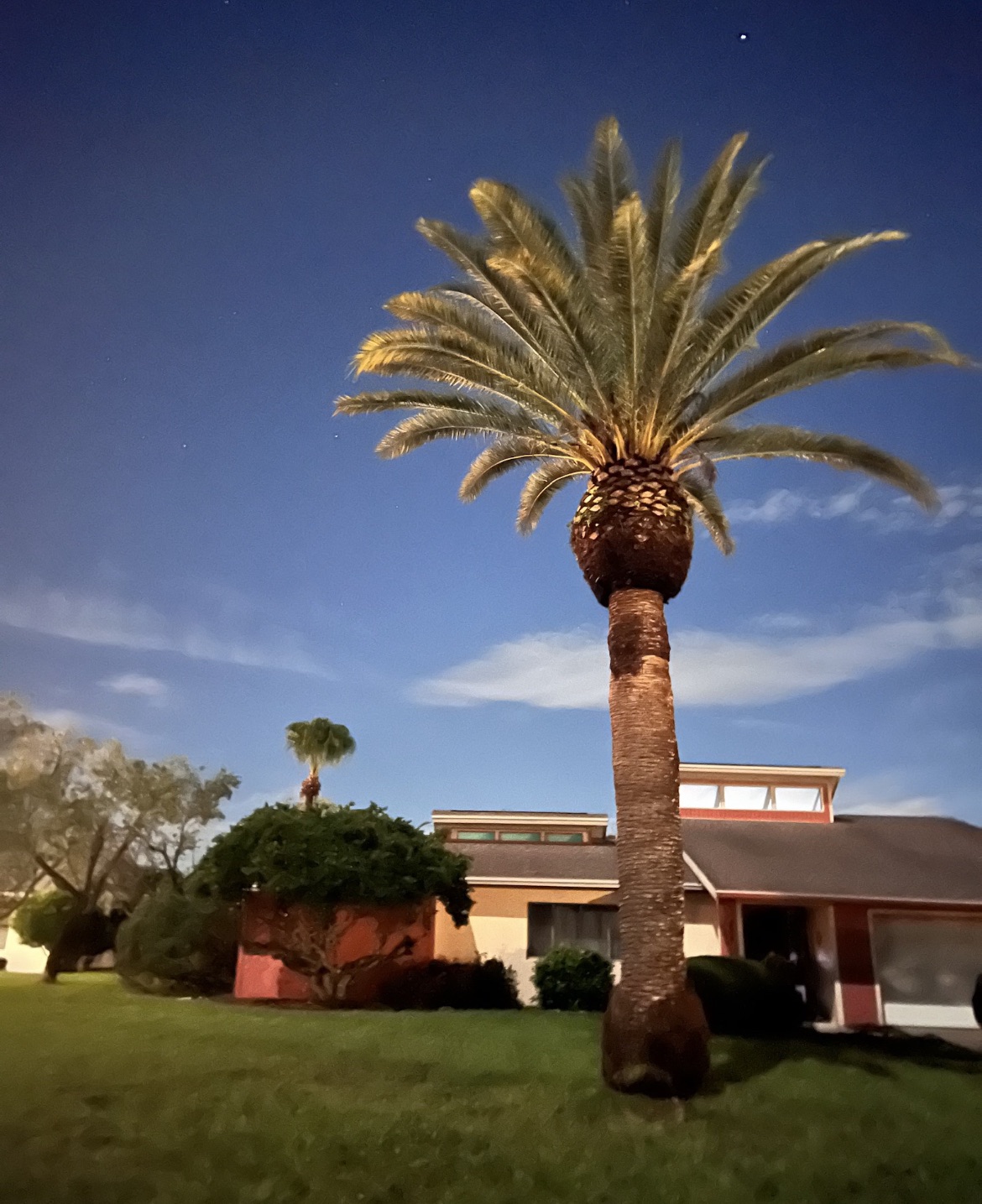
5 Signs Your Tree Needs a Professional Assessment Jun 03, 2026
First and foremost, it is essential to observe the health of your tree's foliage. A noticeable decline in leaf quality can be an early warning sign that something is wrong. If you see discolored, wilting, or thinning leaves, especially outside of autumn, this might suggest that your tree is under stress. Common causes include disease, pest infestations, or environmental stressors. An arborist can diagnose the issue and recommend appropriate treatments to restore your tree to vibrant health.
Another significant sign that warrants a professional assessment is the appearance of dead or broken branches. As trees grow, it is natural for some branches to die off. However, an abundance of dead branches can indicate underlying health problems, such as disease or root damage, that might compromise your tree's structural integrity. Deadwood is not only unsightly but also poses a safety risk, as falling branches can cause damage to property or injury. A professional tree service will help address these concerns, pruning away hazardous branches, and implementing preventative care.
Watch for visible signs of decay or fungal growth, which often manifest as mushrooms at the base of the tree or on roots. These growths typically indicate that the tree is rotting internally, posing a significant threat to its stability. While fungi are a natural part of the ecosystem, excessive growth can destabilize the tree, creating potential hazards. Professional arborists are adept at determining the extent of decay and helping you plan an effective course of action.
The presence of bark abnormalities can also be a red flag that your tree is in distress. Peeling, cracked, or missing bark may suggest that the tree is not drawing sufficient nutrients. This could happen due to root problems, disease, or environmental damage. Moreover, holes or tunnels in the bark are indicative of pest infestations, which can cause significant harm. Professional evaluation by a trained expert at Freedom Tree Pros can save you from extensive damage by identifying and treating the root of the problem.
Finally, keep an eye on the tree's overall stability. Trees growing at an angle or those that have recently started leaning more can be cause for concern. Root damage, soil erosion, and high winds are common culprits that affect a tree's foundation. While some tilt is normal, notably after storms, a sudden lean should be investigated promptly. Arborists can assess the risk of the tree falling and recommend solutions to fortify its stability.
In conclusion, staying attentive to these signs can help you maintain a safe and healthy landscape. Recognizing early warning signals and consulting with professionals like Freedom Tree Pros not only enhances your property's aesthetics but ensures safety and longevity of your trees. Remember, proactive care can prevent bigger, costlier problems down the road. When in doubt, don’t hesitate to reach out for a professional tree assessment. Your trees—and your peace of mind—will greatly benefit from expert guidance.
/filters:no_upscale()/filters:format(webp)/media/30c9ac65-5877-4bc3-91c9-f1cff6aee28f.jpeg)